
The opening decides whether the rest of the video exists
If they leave at twenty seconds, nothing after twenty seconds was ever watched
YouTube Watch Hours Visualizer
4,000 qualified watch hours is 166 days and 16 hours of continuous playback. 4,000 hours is the bar for YouTube ad revenue until January 31, 2027. That number was set on February 20, 2018 and has not moved since. On February 1, 2027 it doubles, and new applicants need 8,000 qualified watch hours, which is 333 days and 8 hours.
Enter any number of watch hours and this page shows you what that time is: where it lands on a calendar, how it compares to a degree, and what share of a human life it adds up to. Built by Andrew Kan and Ike Do at The Kan Do Creators Community.
Companion to the YouTube Audience Visualizer: that one counts the people, this one counts the time.
You are here
4,000 watch hours
The number every creator is chasing
4,000 qualified watch hours in the last 12 months plus 1,000 subscribers turns on ad and Premium revenue sharing.
YouTube thresholds
Next milestone
5,000 watch hours
One semester short of a bachelor's degree
Watch hours move when retention moves. That is teachable, and it is what The Kan Do Creators Community is for.
Join the free tierNo card. 60 seconds.What the number is made of
Every square is one day of somebody's life, played end to end without stopping.
If you have chased YouTube watch hours, nobody needs to tell you it is hard. You watched that number slowly uptick.
The part that is harder to hold onto is where those hours came from. That hour came out of family time, or time with a pet who will not be around forever, or an evening somebody only got once. They spent a piece of their own life on your video, then came back and spent more.
The bar is 4,000 YouTube watch hours today and 8,000 from February 2027. That is 166 days of human life, then 333, handed over in pieces.
Every figure below is a total, added together across everyone who watched. No one person gave you a summer.
None of us get that time back. The most any of us can do is make something they are glad they spent it on.
Why this page exists
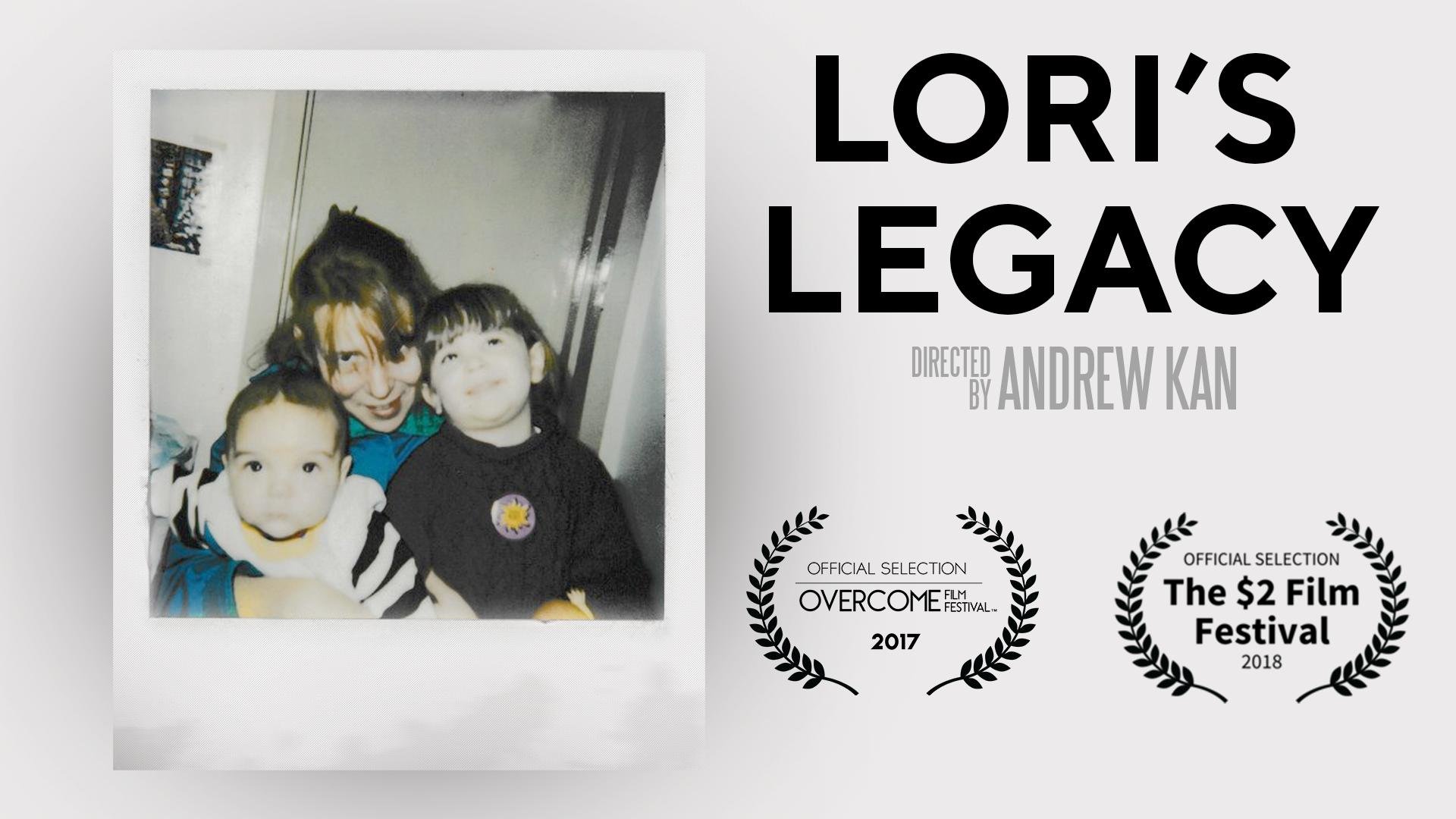
“I lost my mother on August 12th 1999, when I was five years old. I made Lori's Legacy a film to honor her life. What I hope ANYONE takes from this film is how short life truly is, and that tomorrow is NEVER guaranteed.
When people talk about watch-time, so often do we lose sight of the humans behind it.”
Andrew Kan
The cost figures above are what the minutes come to when you price them in things people only get so many of. A summer counts as June 1 to August 31, 92 days, and 18 of them is birth to eighteen. Weekends and holidays count as whole 24 hour days and a night of sleep as 8 hours. Where a row says every weekend, every night or every holiday, it means consecutively and without missing one, at 52 weekends, 365 nights or one holiday a year. Two rows are our own estimates rather than measured figures: a bedtime story at 10 minutes for roughly 300 nights a year from age 2 to 8, which makes one child's whole run about 1,800 nights, and free time at five waking hours a day. Families and jobs differ, which is why the assumption is written down rather than dressed up as a statistic. US life expectancy at birth is 79.0 years in 2024, from the CDC National Center for Health Statistics, Mortality in the United States, 2024, Data Brief 548, January 2026.
The one yardstick most of us share
Most of us have done some schooling. Almost none of us know how many hours it actually took.
Put your own number on that scale and you start to understand what you have actually been doing.
A school year is 1,231 hours. All thirteen of them, kindergarten through senior year, is 16,003. A bachelor's degree is roughly 5,400 hours of class and study, so 4,000 watch hours is about 74% of a degree and 8,000 is about one and a half of them.
Every one of those school hours was yours. You sat in the chair. You gave up the afternoon. Somebody made you do it.
Watch hours are the same size and not one of them is yours. They could have spent that time in a classroom. They spent it with us instead, with no syllabus, no deadline and nobody making them show up. They chose it, every single time, and then came back and chose it again.
Which is why it is worth being deliberate about what you make next. Group coaching with Andrew Kan and Ike Do is where members bring a video and find out what to fix first, and there is a free tier on the same page.
School years use 1,231 instructional hours, the figure Matthew A. Kraft and Sarah Novicoff put on the typical US public school year in Time for School, Education Next, Winter 2025, and K to 12 counts 13 years. A school week is that year divided across about 180 school days, five days at a time, so roughly 34 hours. Degree hours use the federal credit hour, one contact hour plus two hours of preparation each week across a roughly 15 week semester, so 45 hours per credit. Fan funding at 3,000 qualified watch hours also needs 500 subscribers and 3 valid public uploads in the last 90 days. A master's on its own is roughly 36 credits, about 1,620 hours, which is why the row above shows it added to a bachelor's rather than standing alone. Programs vary by state, school and major, so treat these as a yardstick rather than a measurement of your own schooling.
The part you control
Watch hours are average view duration multiplied by views. Most creators put all their effort into views. Duration is the half you can move more directly, and four things move it.
The opening decides whether the rest of the video exists
If they leave at twenty seconds, nothing after twenty seconds was ever watched
Chase the minutes, not the retention percentage
20 minutes held at 40% returns 8 minutes a view. 8 minutes held at 70% returns 5.6
YouTube counts the whole session, not just your video
Where you send people at the end feeds back into your next upload
Watch hours roll off the back after 365 days
Channels stall just under the bar while their audience is still there
Andrew Kan and Ike Do ran growth at TubeBuddy, taking that channel from 6,000 to more than 530,000 subscribers, and Andrew has helped earn 12 YouTube Play Buttons across 13 years of this. We will never promise you a number. Nobody honestly can, and anyone who does is guessing. What we will do is look at your retention graph and tell you what we would fix first.
None of that is secret. Doing it consistently, on your own channel, with someone else reading your retention graphs, is the part that is hard alone.
The Audience Visualizer turns your subscriber count into a crowd you can picture. This page turns your watch hours into time. Subscribers are how many people said yes. Watch hours are how long they stayed.
KDCC
A free tool from Andrew Kan, Ike Do and The Kan Do Creators Community. We run a YouTube channel, a newsletter and a Discord of working creators, and we teach growth through the KANDO Method. Nothing you type here is saved or sent anywhere.
Last verified August 24, 2026 against YouTube Help, Changes to the YouTube Partner Program. From February 1, 2027 the ads and Premium entry bar doubles to 8,000 qualified watch hours for creators not already in the program, and ad and subscription revenue on Shorts requires 10 million qualified Shorts views in the previous 90 days. Thresholds change, so check YouTube Help before quoting them.
From one hour to one trillion
1,000 watch hours is 41 days of nonstop playback. 4,000 watch hours is 166 days and 16 hours. 8,000 watch hours is 333 days and 8 hours. 10,000 watch hours is 1 year and 2 months.
One watch hour is one person giving you an hour of their life. A hundred million watch hours is longer than writing has existed. Every number below is the same arithmetic, so find yours, or type it into the tool at the top of this page.
| Watch hours | Scale | Nonstop playback | Waking days | Work years | In school time |
|---|---|---|---|---|---|
| Stage 01HoursOne person, one shift, three weeks | |||||
| 1 | 1 hour | 0.1 | under 0.01 | under 1 US college course | |
| 5 | 5 hours | 0.3 | under 0.01 | under 1 US college course | |
| 10 | 10 hours | 0.6 | under 0.01 | under 1 US college course | |
| 25 | 1 day 1 hour | 1.6 | 0.01 | under 1 US college course | |
| 50 | 2 days 2 hours | 3.1 | 0.02 | under 1 US college course | |
| 100 | 4 days 4 hours | 6.3 | 0.05 | under 1 US college course | |
| 250 | 10 days 10 hours | 16 | 0.1 | 1.9 US college courses | |
| 500 | 20 days 20 hours | 31 | 0.2 | 3.7 US college courses | |
| Stage 02The thresholdsWhere the watch hour bars sit | |||||
| 1,000 Stays active, from 2027 | 41 days 16 hours | 63 | 0.5 | 7.4 US college courses | |
| 2,000 | 83 days 8 hours | 125 | 1.0 | 1.6 US school years | |
| 2,500 | 104 days 4 hours | 156 | 1.2 | 2.0 US school years | |
| 3,000 Fan funding | 125 days | 188 | 1.4 | 2.4 US school years | |
| 4,000 Ads, until Feb 2027 | 166 days 16 hours | 250 | 1.9 | 3.2 US school years | |
| 5,000 | 208 days 8 hours | 313 | 2.4 | 4.1 US school years | |
| 8,000 Ads, from Feb 2027 | 333 days 8 hours | 500 | 3.8 | 6.5 US school years | |
| Stage 03Years of playbackWhere it stops being days | |||||
| 10,000 The Gladwell number | 1 year 1 month | 625 | 4.8 | 8.1 US school years | |
| 25,000 | 2 years 10 months | 1,563 | 12.0 | 1.6 US school lifetimes | |
| 50,000 | 5 years 8 months | 3,125 | 24.0 | 3.1 US school lifetimes | |
| 75,000 | 8 years 6 months | 4,688 | 36.1 | 4.7 US school lifetimes | |
| 100,000 | 11 years 4 months | 6,250 | 48.1 | 6.2 US school lifetimes | |
| Stage 04LifetimesFrom a working life to a thousand years | |||||
| 250,000 | 28 years 6 months | 15,625 | 120 | 16 US school lifetimes | |
| 500,000 | 57 years | 31,250 | 240 | 31 US school lifetimes | |
| 750,000 | 85 years 6 months | 46,875 | 361 | 47 US school lifetimes | |
| 1,000,000 | 114 years | 62,500 | 481 | 62 US school lifetimes | |
| 2,500,000 | 285 years 2 months | 156,250 | 1,202 | 156 US school lifetimes | |
| 5,000,000 | 570 years 4 months | 312,500 | 2,404 | 312 US school lifetimes | |
| 7,500,000 | 855 years 6 months | 468,750 | 3,606 | 469 US school lifetimes | |
| 10,000,000 | 1,140 years 9 months | 625,000 | 4,808 | 625 US school lifetimes | |
| Stage 05Past every human yardstickFrom older than writing to older than the dinosaurs | |||||
| 50,000,000 | 5,703 years 10 months | 3,125,000 | 24,038 | 3,124 US school lifetimes | |
| 100,000,000 | 11,407 years 8 months | 6,250,000 | 48,077 | 6,249 US school lifetimes | |
| 250,000,000 | 28,519 years 3 months | 15,625,000 | 120,192 | 15,622 US school lifetimes | |
| 500,000,000 | 57,038 years 6 months | 31,250,000 | 240,385 | 31,244 US school lifetimes | |
| 750,000,000 | 85,557 years 10 months | 46,875,000 | 360,577 | 46,866 US school lifetimes | |
| 1,000,000,000 | 114,077 years 1 month | 62,500,000 | 480,769 | 62,488 US school lifetimes | |
| 2,500,000,000 | 285,192 years 9 months | 156,250,000 | 1,201,923 | 156,221 US school lifetimes | |
| 5,000,000,000 | 570,385 years 6 months | 312,500,000 | 2,403,846 | 312,441 US school lifetimes | |
| 10,000,000,000 | 1,140,771 years 1 month | 625,000,000 | 4,807,692 | 624,883 US school lifetimes | |
| 25,000,000,000 | 2,851,927 years 10 months | 1,562,500,000 | 12,019,231 | 1,562,207 US school lifetimes | |
| 50,000,000,000 | 5,703,855 years 9 months | 3,125,000,000 | 24,038,462 | 3,124,414 US school lifetimes | |
| 100,000,000,000 | 11,407,711 years 7 months | 6,250,000,000 | 48,076,923 | 6,248,828 US school lifetimes | |
| 250,000,000,000 | 28,519,279 years | 15,625,000,000 | 120,192,308 | 15,622,071 US school lifetimes | |
| 500,000,000,000 | 57,038,558 years | 31,250,000,000 | 240,384,615 | 31,244,142 US school lifetimes | |
| 1,000,000,000,000 | 114,077,116 years 1 month | 62,500,000,000 | 480,769,231 | 62,488,283 US school lifetimes | |
Nonstop playback uses 24 hours a day and a 365.25 day year. Waking days assume 16 hours awake. Work years use the standard 2,080 hour year, 40 hours a week for 52 weeks. School time uses 1,231 instructional hours a year, from Time for School in Education Next, and 16,003 hours for all 13 years of K to 12. All of it is arithmetic, so you can check every row.
Every conversion on this page, the Partner Program thresholds, what changes on February 1 2027, and where each number comes from.
4,000 watch hours is 166 days and 16 hours of continuous playback.
That is about five and a half months without stopping. Measured in waking hours instead, at 16 hours a day, it is 250 days of somebody's conscious life. It is also 240,000 minutes, which is the unit YouTube Studio counts in.
A YouTube watch hour is one hour of your videos actually played by viewers, added up across everybody who watched.
It is cumulative, so sixty people watching one minute each is one watch hour. YouTube counts it in minutes and shows you hours.
Only qualified watch hours count toward the Partner Program. YouTube Studio shows you a lifetime total and the rolling 365 day figure separately, and it is the 365 day figure the thresholds are measured against.
8,000 watch hours is 333 days and 8 hours of continuous playback, or 480,000 minutes.
From February 1 2027 that is the entry bar for YouTube ad and Premium revenue sharing, for creators not already in the Partner Program. It replaces 4,000 hours, which is 166 days and 16 hours.
1,000 subscribers and 4,000 qualified watch hours in the last 12 months turns on ad and Premium revenue sharing.
| What it turns on | Subscribers | Watch hours | Or Shorts views |
|---|---|---|---|
| Fan funding, Shopping, Creator Partnerships | 500 | 3,000 in 12 months | 3 million in 90 days |
| Ads and Premium, until January 31 2027 | 1,000 | 4,000 in 12 months | 10 million in 90 days |
| Ads and Premium, from February 1 2027 | 1,000 | 8,000 in 365 days | 20 million in 90 days |
The 500 subscriber tier also needs 3 valid public uploads in the last 90 days. Anyone already in the Partner Program keeps their status when the bar doubles.
On February 1 2027 the YouTube Partner Program entry bar for ads and Premium revenue sharing doubles from 4,000 to 8,000 qualified watch hours.
That applies to creators not already in the Partner Program. The Shorts equivalent doubles too, from 10 million to 20 million qualified views in 90 days, and the 1,000 subscriber requirement does not change. Fan funding at 500 subscribers and 3,000 watch hours is untouched.
YouTube is also updating what counts as an active channel: 1,000 qualified watch hours in the past 365 days, or 1 million qualified Shorts views in 90 days, or 2 long-form videos or 5 Shorts uploaded every 90 days. All of it was announced on August 10 2026.
Yes. YouTube says the new 8,000 watch hour entry threshold does not affect channels already in the Partner Program.
Everyone in the program does have to accept the updated terms in YouTube Studio by January 31 2027, or those monetization features stop earning on February 1. Accepting late restores them.
One thing changes for everybody from February 1 2027: earning ad and subscription revenue on Shorts will require 10 million qualified Shorts views in the previous 90 days. Falling below it does not remove you from the program, long-form earnings continue, and Shorts revenue resumes once you cross back over.
Check YouTube Help for your own situation rather than taking our word for it.
For monetization, yes. YouTube counts only qualified watch hours from the last 365 days, on a rolling basis.
Hours you earned 13 months ago no longer count toward the threshold. That is why channels stall just under the bar while their audience is still there.
Your lifetime total in YouTube Studio does not roll off the same way, and that is the number this page is about. Deleting or privating a video does remove its watch time from your analytics, so the lifetime figure is not strictly permanent either.
4,000 watch hours takes about 80,000 views at 3 minutes of average view duration, or 30,000 views at 8 minutes.
There is no single answer, because it depends entirely on how long people stay. 4,000 hours is 240,000 minutes, so divide that by your own average view duration in minutes.
From August 24 2026 a public view is counted the moment a video starts playing, so your public count now runs ahead of the views that actually built your watch hours. Average view duration is still calculated from views that had watch time behind them, so dividing 240,000 minutes by your own average view duration is still the right arithmetic.
Retention changes the answer far more than views do, which is why we teach retention first.
4,000 watch hours is about 74% of a bachelor's degree, which works out to roughly 5,400 hours of class and study.
That uses the federal credit hour, one class hour plus two study hours a week, across a 120 credit degree. The 8,000 hour bar arriving February 1 2027 is about one and a half bachelor's degrees, or 6.5 school years at the US average of 1,231 instructional hours a year.
A creator clearing the new bar has been given more hours of human attention than it takes one person to earn a four year degree.
No. Watch hours and Partner Program eligibility are unchanged. Only the public view counter changed.
From August 24 2026 YouTube counts a public view the moment a video starts to play, across Shorts, long-form and live streams, so public counts rise without watch time behind them. YouTube says earnings still run on engaged Shorts views and engaged watch hours, and eligibility still runs on qualified Shorts views and qualified watch hours. YouTube renamed those entry thresholds on the same day, from valid public to qualified.
Views and watch hours have come apart. A video can gain views without gaining a watch minute, so a rising view count is no longer evidence you are moving toward 4,000 or 8,000 hours. Source: YouTube Help, How engagement metrics are counted.
692,514 watch hours is one entire human life.
US life expectancy at birth was 79.0 years in 2024 according to the CDC National Center for Health Statistics, Data Brief 548, and 79 years is 692,514 hours. Counting only waking hours at 16 a day, one life is 461,676 hours.
For scale, 4,000 watch hours is 0.87% of one waking life and 100,000 is about 22%. No single viewer gives you any of it alone, because watch hours are the sum of short sessions from many different people.
No. The 10,000 hour rule is about your own deliberate practice. Watch hours are other people's time.
Malcolm Gladwell made 10,000 hours famous in Outliers in 2008, taking it from K. Anders Ericsson's 1993 study of violinists at a Berlin music academy. Ericsson objected for years, most fully in his 2016 book Peak: 10,000 was an average rather than a threshold, half the top group had not reached it, the figure itself was arbitrary, and it only ever described practice aimed at a specific weakness.
So 10,000 watch hours does not make you an expert, and it would not even if the rule held, because your viewers spent those hours and you did not. What it does mean is that the most famous number in getting good at anything is smaller than the attention your channel has already been given.
The YouTube Watch Hours Visualizer uses four sources, all named, and every conversion is arithmetic you can check.
The 4,000 hour bar dates from the change YouTube announced in January 2018 and enforced on February 20 2018, replacing the 10,000 lifetime views rule introduced in April 2017. A lower fan funding tier of 500 subscribers and 3,000 watch hours was added on June 13 2023, so the ads bar has risen over time while a cheaper rung appeared beneath it.
We do not estimate your revenue here, because rates vary too much by niche and country for anyone to quote honestly.
Yes. The YouTube Watch Hours Visualizer is free, with no sign up, no email and no account.
Nothing you type leaves your browser. It is from Andrew Kan, Ike Do and The Kan Do Creators Community, and if you want the growth side of it, the KANDO Method and the free tier are both free too.
One last thing
You have seen what one hour costs the person who spends it on you. The next video you post asks for that hour again. Your hours cost the same as theirs, so we do not ask for money before you know whether we help. The first seven days of YouTube group coaching with Andrew Kan and Ike Do are free, and you decide after that.
The free trial opens the member Discord and 40+ recorded group coaching sessions the moment you join, so you have something to work through before your first call comes round. Cancel inside the seven days and you are never billed. Stay, change your mind, and there is a full refund for 30 days after that.